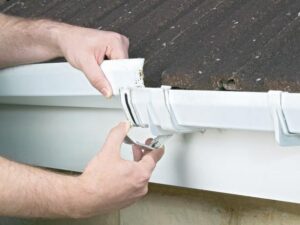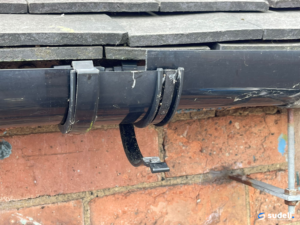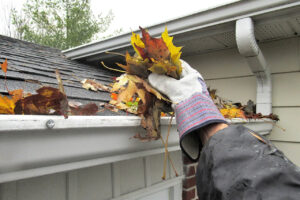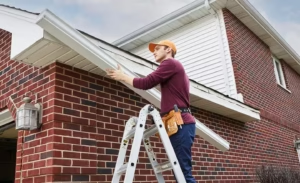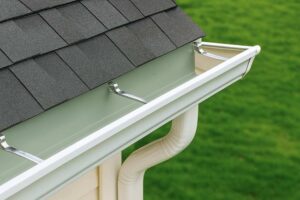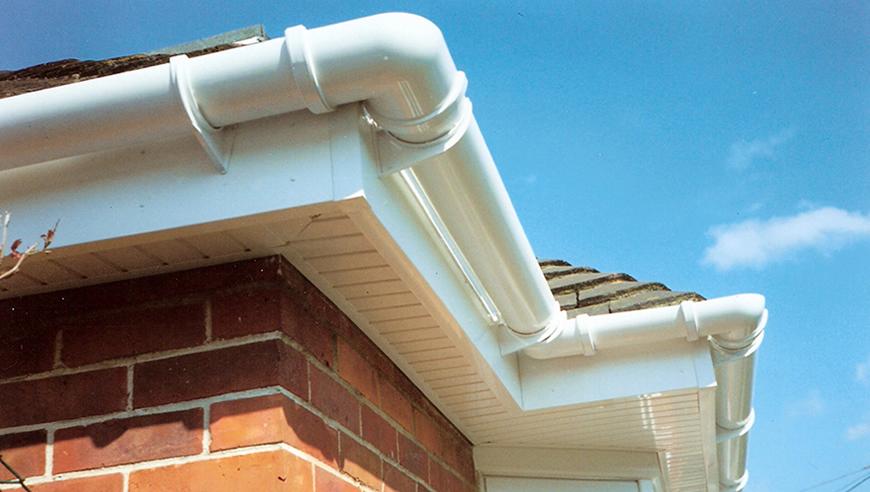
The simple answer to how much to replace guttering is that many uPVC jobs can start from a few hundred pounds for a short run, while a full house replacement can often be around £650 to £1,700 or more. Larger homes, difficult access, deep flow guttering, aluminium guttering, cast iron guttering, or fascia repairs can increase the price.
For most Merseyside homes, uPVC is the most common and cost friendly choice. It looks neat, handles normal rain well, and suits many terraced, semi detached, and detached homes. Aluminium and cast iron cost more, but they can be right for certain homes, especially where strength, style, or a period look matters.
A proper quote should include a visit, a look at the full gutter line, a check of the downpipes, and advice on whether the fascia boards are sound. Merseyside Gutters can give you a clear replacement survey so you know what needs doing before you spend money.
Signs your guttering needs replacement
Old guttering often gives warning signs before it fails fully. The most common sign is water spilling over the front during rain. This can happen because of a blockage, but it can also happen when the gutter has dropped, twisted, cracked, or lost the right fall towards the outlet.
Another sign is leaking at several joints. One leaking joint may be a small repair. Several leaking joints usually point to an old system. uPVC can become brittle with age. The seals inside the joints can wear out. Brackets can loosen. Once this happens along a full run, replacement can be better than chasing leak after leak.
Sagging guttering is also a clear warning. A sag in the middle of the run means water sits there instead of flowing away. Standing water adds weight. That weight pulls on the brackets and fascia board. Over time, the gutter can pull loose or split.
Look for stains on brickwork. Brown or green marks below the gutter line often mean water has been dripping for a while. On older brick homes in Liverpool and St Helens, this can lead to damp patches, damaged pointing, and water marks near upstairs windows.
You may also notice water landing near the base of the house. This can happen when downpipes are cracked, loose, or blocked. If rainwater is not being carried away, it can soak the ground close to your walls.
Other signs include mould on outside walls, rotten timber near the roofline, gutter sections that have faded or warped, missing clips, broken stop ends, water behind the gutter, and plants growing in the run. If you see more than one of these signs, it is worth booking a replacement survey.
Replacement cost by length and material
When homeowners search how much to replace guttering, they often want one fixed price. In real life, every home is different. The final quote depends on length, height, material, access, and the condition of the roofline.
For a short uPVC gutter run of around 5 metres, a guide price can be around £150 to £350, depending on access and whether a downpipe is needed. This type of job may suit a porch, small extension, garage, or one simple section of a terraced house.
For a 10 metre uPVC run, the guide price can often be around £300 to £700. This may cover a front or rear run on some homes, depending on the shape of the roof and the number of outlets.
For a larger 15 to 20 metre replacement, many homeowners should plan for a higher budget. A full front and back replacement with downpipes can often sit around £650 to £1,700 or more. The price can rise if the roofline is high, if access is awkward, or if the existing fascia boards are damaged.
For a full three bedroom semi detached home, the price may often sit in the middle to upper part of that range. Larger detached homes, homes with extensions, or homes with several corners and downpipes can cost more.
uPVC is normally the best value material. Aluminium costs more but offers a strong and neat finish. Cast iron is usually the highest cost option and is often chosen for period homes or where the old look needs to be kept.
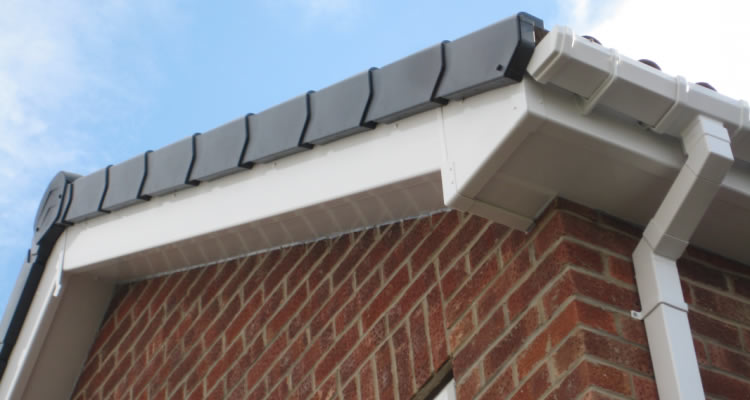
uPVC guttering
uPVC guttering is popular because it is affordable, light, and easy to maintain. It is available in common styles such as half round, square, ogee, and deep flow. Black is a common choice across Merseyside because it suits many rooflines and hides marks well.
For many older homes, new uPVC can make a tired roofline look clean again. It can also solve repeated leaks caused by old seals, brittle plastic, or poor alignment.
Deep flow uPVC can be useful if your roof area is larger or if your old guttering has overflowed during heavy rain. It carries more water than standard half round guttering, but it may cost more.
Merseyside Gutters can advise whether standard uPVC or deep flow uPVC is the right option for your home.
Aluminium guttering
Aluminium guttering is a strong option for homeowners who want a more premium finish. It can suit modern homes, larger homes, and properties where the guttering is a visible part of the outside look.
It costs more than uPVC because the material and fitting are more expensive. It can still be good value for the right property, especially where a stronger system is wanted.
If your home has had repeated problems with old plastic guttering, it may be worth asking about aluminium. It is not always needed, but it is a good option to compare during a survey.
Cast iron guttering
Cast iron guttering is often found on older or period style homes. It has a classic look and can suit certain properties in Liverpool, St Helens, and parts of Wirral.
It is heavy and more expensive to fit. It also needs sound fixing points because of the weight. If your current cast iron guttering is cracked, rusted, loose, or leaking, a survey can help you decide whether to replace it with new cast iron, aluminium, or uPVC.
Some homeowners want to keep the old look. Others want a lower cost modern system. The right choice depends on the property, budget, and style.
Repair or replacement which is better
A fair answer to how much to replace guttering should also explain when replacement is not needed. If the guttering is fairly new and the problem is small, a repair may be enough.
Repair may be right for one leaking joint, one loose bracket, a blocked outlet, a slipped downpipe, or one cracked section. A repair can save money when the rest of the system is still sound.
Replacement is better when the guttering is old, weak, sagging, cracked in several places, or leaking after past repairs. It is also better when the gutter fall is wrong. If the system does not slope towards the outlet, water will sit in the run and cause more problems.
A full replacement gives the installer the chance to remove tired sections, reset the fall, fit new brackets, replace outlets, and make sure the downpipes carry water away correctly.
Many homeowners call after paying for several small fixes. The repair may work for a short time, then another joint leaks. In this case, replacement can be the stronger and cleaner choice.
Downpipe and bracket costs
Downpipes matter just as much as gutters. A new gutter run will not work well if the downpipe is cracked, loose, blocked, or too small for the roof area.
A simple uPVC downpipe replacement is usually more affordable than metal. The cost depends on height, number of bends, access, and whether the pipe connects into a drain, water butt, or existing outlet.
Brackets are also important. They hold the gutter in the right place and help keep the correct fall. Old brackets can loosen or snap, especially when the gutter has been full of water or debris for a long time.
A good replacement quote should include the normal brackets and fixings needed for the new run. It should also explain any extra cost for new downpipes, extra outlets, special parts, fascia repairs, or access equipment.
When Merseyside Gutters visits your home, the survey can check whether your existing downpipes can stay or whether they should be replaced at the same time.
What affects the final quote
The first factor is the length of the gutter run. More metres mean more material, more brackets, more joints, and more labour.
The second factor is access. A clear front run on a terraced home is easier than a rear run above a conservatory, garage, extension, or narrow passage. Difficult access can increase the time needed.
The third factor is height. Single storey guttering is easier to reach than two or three storey guttering. Higher work may need extra equipment.
The fourth factor is material. uPVC is usually the lowest cost. Aluminium and cast iron cost more because the parts and fitting take more work.
The fifth factor is roof shape. A straight run is simple. Corners, bays, valleys, outlets, and several downpipes add parts and time.
The sixth factor is fascia condition. New guttering needs a strong fixing point. If the fascia is rotten, soft, or loose, it may need repair before new guttering is fitted.
The seventh factor is waste removal. Old guttering and broken parts should be taken away, leaving the property tidy.
The eighth factor is the time of year. After heavy rain, many homeowners book gutter work at the same time. Booking early can help you deal with problems before they become urgent.
Merseyside price examples
Many people in older Liverpool homes ask how much to replace guttering because the same leaks keep coming back. A Victorian terrace in areas such as Wavertree, Toxteth, Kensington, Anfield, Walton, Aigburth, or Old Swan may have old uPVC or cast iron guttering that has been repaired many times. If the run is straight and access is clear, the work may be simple. If the rear has extensions, old pipework, or narrow access, the cost can be higher.
In St Helens, many semi detached and terraced homes have long rooflines that take a lot of rainwater. If the gutter sags in the middle, water can sit there and pull on the brackets. A full uPVC replacement with fresh brackets and a clear downpipe can often be better than more patch repairs.
In Wirral, some larger homes may choose aluminium for a neater finish. This costs more than uPVC but can suit homes where style and strength are important.
In Sefton, coastal weather can be tough on older fittings. Wind, rain, and damp air can speed up wear on brackets and joints. A good survey should check the whole roofline, not just the leaking spot.
In Knowsley and Halton, many family homes have extensions, garages, and altered rooflines. These can change how rainwater flows. A replacement may need extra outlets or deep flow guttering to handle the roof area properly.
These are only examples. The right price comes from measuring the property and checking access.
Older Liverpool home example
A homeowner in an older Liverpool terrace may notice water marks below the front gutter. The old gutter has faded, the joints drip during rain, and the brackets are no longer holding the line straight.
A small repair might stop one drip, but it will not fix brittle plastic or poor fall along the full run. A replacement survey can show whether the front, rear, or both sides need new guttering. New uPVC guttering can make the roofline look clean and help protect the brickwork from more water damage.
For older homes, it is also important to check the fascia and the wall around the downpipe. Long term leaks can hide other issues. Fixing the full system can help prevent repeat callouts.
St Helens home example
A semi detached home in St Helens may have a long rear gutter over a kitchen extension. During heavy rain, water pours over one corner and lands near the wall. The downpipe is old and the gutter has dropped in the middle.
This type of problem may need more than cleaning. If the gutter is out of line, water will not flow to the outlet properly. A replacement can reset the fall, add strong brackets, and fit a suitable downpipe.
If the roof area is large, deep flow guttering may be the better option. It can carry more rainwater and reduce overflow during storms.
Why local surveys matter
Online prices are useful, but they cannot see your roofline. A photo can help, but it still may not show the full issue. A local survey gives a better answer because the installer can check the length, height, access, fascia boards, downpipes, outlets, corners, and signs of water damage.
Merseyside homes vary a lot. A small terrace in Liverpool is not the same as a detached home in Wirral. A St Helens semi with easy access is not the same as a rear gutter over a conservatory. A property in Sefton with exposed weather may need a different approach from a sheltered home in Knowsley.
This is why Merseyside Gutters offers a practical survey before giving a final quote. You get clear advice and no guesswork.
Why choose Merseyside Gutters
Merseyside Gutters is a local choice for homeowners who want clear advice, tidy work, and a guttering system that is fitted for the property.
The team can help with full gutter replacement, downpipes, leaking gutters, sagging gutters, roofline checks, fascia and soffit work, and repair advice. You can ask for a survey, explain the problem, and get a clear quote before work starts.
Choosing a local Merseyside company matters because the team understands local house types, local weather, and common roofline problems in Liverpool, St Helens, Wirral, Sefton, Knowsley, and Halton.
If your gutters are old or damaged, Merseyside Gutters can help you decide whether repair or replacement gives better value.
Frequently Asked Questions
How much to replace guttering on a Merseyside house?
The price depends on the length of the guttering, the material, the number of downpipes, the height of the home, and access. A short uPVC run can cost a few hundred pounds. A full house replacement can often cost around £650 to £1,700 or more. A survey gives the most accurate price.
How long does gutter replacement take?
Many standard uPVC replacements can be completed in one day. Larger homes, difficult access, metal guttering, or fascia repairs can take longer.
Is gutter replacement messy?
A good team should remove the old guttering, fit the new system, check the flow, and leave the area tidy. Ask whether waste removal is included in your quote.
Can I replace only one side of my guttering?
Yes, if the rest of the system is in good condition. If the whole system is old and weak, replacing one side may only solve part of the problem.
Should I replace gutters before fascia and soffit work?
If the fascia boards are damaged, it can be better to repair or replace them before fitting new guttering. New guttering needs a strong fixing point.
What gutter material is best for my home?
uPVC is best for many homes because it is affordable and reliable. Aluminium is stronger and has a premium look. Cast iron suits some period homes but costs more.
Why does my gutter keep leaking at the joints?
The seals may be worn, the gutter may be out of line, or the plastic may be brittle. If several joints leak, replacement may be better than repeated repairs.
Do new gutters add value?
New guttering can improve the look of the roofline and protect the home from water damage. It may not add value in the same way as a new kitchen, but it helps keep the property in good condition.
Do I need deep flow guttering?
You may need deep flow guttering if your roof area is large or if your current guttering overflows during heavy rain. A survey can confirm this.
Does Merseyside Gutters cover my area?
Merseyside Gutters serves Merseyside, including Liverpool, St Helens, Wirral, Sefton, Knowsley, Halton, and nearby areas.
Request a replacement survey
Ask Merseyside Gutters how much to replace guttering for your property and get a clear local quote. Old guttering can cause damp walls, stained brickwork, rotten fascia boards, and water damage if left too long.
Book a gutter replacement survey today with Merseyside Gutters. Get your roofline checked, choose the right material, and protect your home before the next heavy rain.
Call Merseyside Gutters for trusted gutter replacement across Merseyside.