Adding an extension can give a home more living space, better light and extra value. However, an extension also changes the way rainwater moves across the property. A new roof section can create extra gutter runs, new corners, additional outlets and areas where water from different roof levels meets.
That is why gutter cleaning roof extensions should be treated as an important part of normal property maintenance. Extension gutters can be smaller, lower, harder to see or positioned underneath another roof edge. When leaves, moss, dirt and roof debris collect inside them, rainwater may stop moving towards the downpipe as it should.
At Merseyside Gutters, we help homeowners across Merseyside keep gutters and roof drainage systems clear and working properly. Our gutter services cover residential properties throughout Liverpool and surrounding Merseyside areas.
If your extension gutter is overflowing, holding water or difficult to reach, professional cleaning can help find the cause and restore a clear route for rainwater.
Why Roof Extensions Need Proper Drainage
Every roof needs a reliable way to control rainwater.
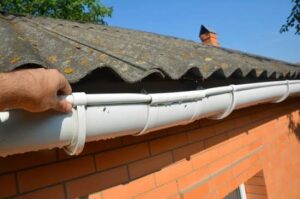
When rain lands on a roof, it travels towards the lowest edge. The gutter collects that water and directs it towards an outlet and downpipe. A general explanation of how this system works can be found in the Wikipedia guide to rain gutters.
An extension adds another roof surface to the property. This means there is more water to collect and another drainage area to manage.
Problems can develop when the extension was added after the original gutter system was installed. The new roof may have its own gutter, or its drainage may connect with an existing section.
This makes roof extension drainage especially important.
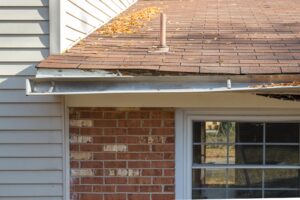
If water cannot leave the extension roof quickly enough, you may notice water spilling over the gutter edge during heavy rain. You may also see staining beneath the gutter, damp looking brickwork, dripping around joints or water landing heavily on the patio below.
Regular gutter cleaning roof extensions helps remove the material that restricts this water flow.
Cleaning is particularly important because extension gutters are often less visible than the main gutter line. A homeowner may look at the front gutter and see no problem while a heavily blocked gutter behind or above an extension remains unnoticed.
Gutters Around Extensions
Home extensions come in many shapes.
Some properties have a simple single storey rear extension. Others have side extensions, kitchen extensions, conservatory style additions, converted garages or larger roof structures.
Each design can create a different gutter layout.
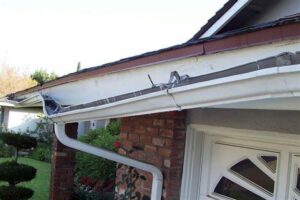
A lower extension roof may have guttering running directly below an upper roof. In another property, water from the main roof may enter one gutter while the extension has a completely separate drainage system.
Corners are another important area.
Where gutter sections change direction, debris can collect more easily. Leaves and moss may settle close to the corner instead of moving towards the outlet.
An extension may also have a short gutter run with only one outlet. If that outlet becomes blocked, the whole gutter can begin filling with water.
Professional extension gutter cleaning should therefore look at the complete drainage route rather than cleaning only the easiest section.
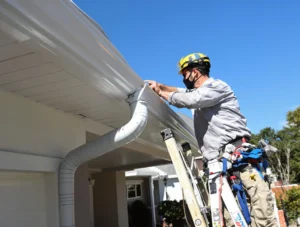
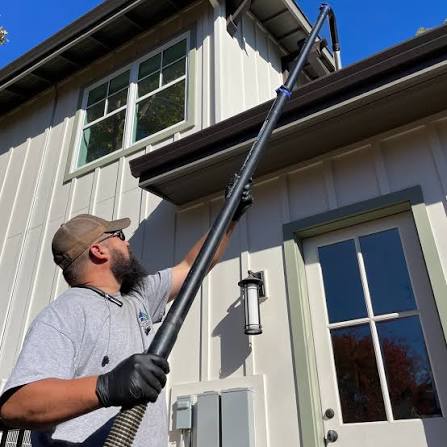
Merseyside Gutters provides professional gutter cleaning services for residential and commercial properties. The service includes removing common debris, checking gutter runs, clearing around outlets and helping water move correctly towards the downpipes.
Common Debris Problems Around Roof Extensions
One of the most common reasons for blocked extension gutters is ordinary roof debris.
Leaves can fall directly into the gutter from nearby trees. Wind can also carry leaves across roofs and into corners.
Moss is another common problem.
Roof moss can slowly loosen and move down the tiles during wind and rain. Small pieces enter the gutter and begin collecting around outlets. Once wet, moss can become dense and hold other material around it.
Mud and fine roof grit may then build up between the larger pieces.
Over time, the mixture becomes heavier and reduces the amount of space available for water.
Small plants may eventually begin growing inside a neglected gutter because wet debris can create conditions where seeds start to grow.
This is one reason gutter cleaning roof extensions should not be delayed until water is already pouring over the side.
A gutter can appear normal from ground level while the inside is filled with wet moss and dirt.
Merseyside Gutters regularly removes leaves, moss, mud, roof debris and other material from blocked gutters across Merseyside.
Difficult Access Areas Around Extensions
Difficult gutter access is one of the biggest maintenance issues created by home extensions.
Before an extension is built, the rear gutter of a house may be easy to reach from the ground. Once a kitchen or living room extension is added below it, normal access can become much more complicated.
A conservatory roof can create a similar problem.
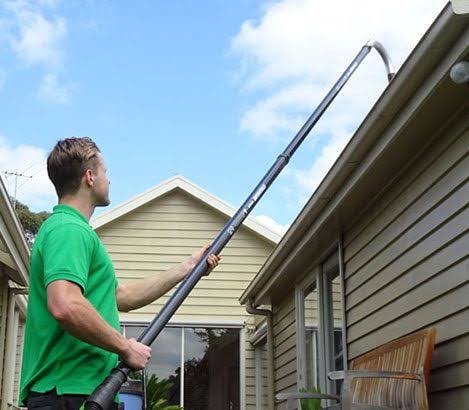
The gutter may still be visible, but reaching it safely without placing weight on the lower roof can require suitable equipment and careful planning.
Side extensions can also reduce working space between neighbouring properties.
This is why gutter cleaning roof extensions may require a different approach from cleaning a simple front gutter.
Homeowners should avoid taking unnecessary risks around roofs, ladders and awkward extension areas. Professional gutter cleaners can assess the height, gutter position, ground conditions and surrounding roof sections before deciding on an appropriate cleaning method.
Merseyside Gutters deals with different property types and gutter layouts throughout Merseyside, including gutter sections where access needs additional consideration.
If you have difficult gutter access, explain the layout of your property when requesting a quote. Photos can also help a gutter specialist understand where the extension sits in relation to the main roof.
Water Flow Between Different Roof Sections
One of the most important parts of roof extension drainage is understanding how water moves between separate roof areas.
A home may have the original pitched roof above and a lower extension roof beneath it.
During rain, both surfaces are collecting water at the same time.
Problems can occur if water from the upper roof is discharged onto the lower roof without a suitable drainage route. The extension gutter may then need to manage water from a much larger roof area than expected.
Another issue can occur where two roof surfaces meet.
Rainwater can become concentrated in one area before entering a gutter. If moss or leaves are already sitting near that point, water may struggle to move away quickly.
This can make overflow appear only during heavier rainfall.
You might see no obvious problem during light rain, but water suddenly pours over one section during a storm.
If this happens repeatedly, cleaning is an important first step.
Our guide to gutters overflowing in one place explains some of the common reasons why one part of a gutter may overflow while the rest appears to work normally.
Professional gutter cleaning roof extensions can help identify whether debris is restricting flow between these roof areas.
However, cleaning is not always the complete answer.
If the gutter is clear but still cannot manage the amount of water reaching it, the gutter size, outlet position, downpipe arrangement or overall drainage design may need further inspection.
Why Downpipe Placement Matters
The downpipe is one of the most important parts of any gutter system.
Cleaning the gutter creates space for rainwater to travel, but the water still needs somewhere to go.
The outlet connects the gutter to the downpipe. If debris collects around this point, water may remain inside the gutter even when the rest of the run looks relatively clear.
Extension roofs sometimes have short gutter sections with a single downpipe.
That makes the outlet especially important.
If it becomes blocked, there may be no alternative route for the water.
Downpipe position can also affect how efficiently a longer gutter run drains. Water needs to travel towards the outlet rather than remain sitting in sections of the gutter.
Merseyside Gutters provides gutter and downpipe installation alongside cleaning and repair services for properties where drainage components may need attention.
During gutter cleaning roof extensions, the outlet and visible downpipe connection should receive attention rather than simply removing material from the middle of the gutter.
If a downpipe repeatedly blocks, it may also be worth investigating where the debris is coming from.
Signs Your Extension Gutters Need Cleaning
You do not always need to climb up and look inside the gutter to notice a problem.
Overflow during rainfall is one of the clearest warning signs.
If water pours over the edge of an extension gutter, something may be preventing it from reaching the outlet efficiently.
Plants or grass growing from the gutter are another obvious sign.
You may also notice moss hanging over the gutter edge, dirty streaks below joints or water dripping long after rainfall has stopped.
A section of gutter that appears to sag may need inspection as well. Wet debris can become heavy, although sagging can also be related to brackets, joints or the installation itself.
Water landing in the same place beside the extension during every period of rain is another reason to investigate.
Do not automatically assume every overflow means the gutter only needs cleaning. A damaged joint, poor fall, unsuitable outlet or downpipe issue can sometimes create similar symptoms.
This is where proper inspection becomes valuable.
Merseyside Gutters can assess visible gutter problems while carrying out cleaning and advise if repair or drainage work appears necessary.
Inspection and Cleaning of Extension Gutters
Good extension gutter cleaning starts with understanding the gutter layout.
The cleaner needs to know where the gutter runs, where the outlets are positioned and how each section connects with the rest of the drainage system.
Debris can then be removed from the gutter channel.
Particular attention should be given to corners, outlets and areas beneath roof valleys because these locations can collect more material.
Once debris has been removed, the drainage route can be checked where practical.
The aim is not simply to make the gutter look clean.
The aim is to help rainwater travel through the system correctly.
That is what makes professional gutter cleaning roof extensions useful for properties with more complicated roof layouts.
Merseyside Gutters provides gutter cleaning that can include removal of leaves, moss, mud, twigs and roof grit, checks around gutter runs and outlets, and inspection for obvious gutter problems.
If damage is visible, the homeowner can then decide whether repair work is needed instead of waiting for the problem to become more serious.
Gutter Cleaning for Older Extensions
Older home extensions may require extra attention.
Some were built many years after the original house and may use different gutter materials or fittings.
You may find one gutter type on the main property and another around the extension.
Connections between old and newer sections can become areas where leaks or movement develop.
Older gutters may also have been repaired several times.
Sealant, replacement joints or altered downpipes can sometimes hide the original cause of a drainage problem.
Cleaning gives you a better opportunity to see the gutter condition without layers of leaves and moss hiding the joints.
If you own an older property in Merseyside and do not know when the extension gutters were last inspected, arranging gutter cleaning roof extensions can be a sensible place to begin.
Extension Gutters Near Trees
Homes near large trees can need more regular gutter attention.
Leaves are the obvious problem, particularly during autumn, but smaller material can enter gutters throughout the year.
Twigs, seeds and pieces of organic material may collect around corners and outlets.
A lower extension roof can make this worse because debris from both nearby trees and the main roof may eventually reach the same gutter.
If your home has this type of layout, waiting until the gutter is completely blocked may allow a large amount of material to collect.
Regular inspections can help you understand how quickly your own gutters fill.
There is no perfect cleaning schedule for every property.
The right frequency depends on nearby trees, roof condition, gutter layout, weather exposure and the amount of debris reaching the system.
Extension Gutters Below Mossy Roofs
A moss covered roof can continually supply debris to a gutter.
Pieces of moss may loosen during rain, frost or windy weather and move down towards the roof edge.
A large piece can restrict an outlet immediately.
Smaller pieces may build up gradually with dirt and leaves.
For homes with roof extensions, this material can sometimes travel from the main roof onto a lower roof section before eventually reaching the extension gutter.
This means the visible blockage may be at the extension even though some of the debris started much higher on the property.
Regular gutter cleaning roof extensions can help control this build up and keep outlets clearer.
Ongoing Maintenance for Roof Extension Gutters
Once an extension gutter has been cleaned, ongoing maintenance can reduce the chance of another severe blockage.
Pay attention to how the gutter behaves when it rains.
You do not need to inspect it during dangerous weather. Simply looking from a safe position can tell you a lot about the drainage system.
Water should enter the gutter and move towards the outlet without repeatedly spilling over the edge.
After strong winds, check from ground level for obvious leaves, branches or displaced gutter sections.
Properties close to trees may need more frequent attention than properties in open areas.
Homes with heavy roof moss may also need gutters checked more often.
The design of the extension matters too.
A short gutter receiving water from a large roof area may need closer monitoring than a simple gutter serving only a small extension roof.
Regular gutter cleaning roof extensions should therefore be based on your individual property rather than a fixed rule that applies to every home.
Gutter Cleaning Roof Extensions Across Merseyside
Merseyside contains many different types of housing, from traditional terraced properties to semi detached homes, detached houses, bungalows and properties that have been extended over time.
Merseyside itself includes Liverpool, Knowsley, Sefton, St Helens and Wirral.
Merseyside Gutters provides services across Liverpool, Wirral, Sefton, St Helens, Knowsley and surrounding parts of Merseyside.
If you are looking for professional gutter cleaning Liverpool homeowners can use for an extended property, we can inspect the gutter arrangement and recommend a practical solution.
Our service is also suitable for homeowners elsewhere across Merseyside who need help with difficult gutter access, blocked outlets, overflowing extension gutters or downpipe problems.
We understand that extensions can make gutter systems more complicated.
That is why the condition of the whole drainage route matters.
Cleaning one visible section while ignoring a blocked extension gutter can leave the original problem unresolved.
Why Choose Merseyside Gutters?
Gutter problems are easier to manage when you use a company that works with gutter and roofline systems regularly.
Merseyside Gutters specialises in gutter cleaning, gutter repairs, gutter installation, downpipe work and fascia and soffit services across Merseyside.
Our goal is straightforward.
We want to help rainwater move through your gutter system correctly and help you identify visible issues before they become larger maintenance problems.
When dealing with extensions, we consider the layout of the roof, the position of the gutter, access conditions, outlets and downpipes.
This approach is especially useful when the problem is not visible from the ground.
If you need gutter cleaning roof extensions, Merseyside Gutters can provide local support based on the actual condition and layout of your property.
Protect Your Extension Before the Next Heavy Rain
A roof extension should improve your home, not create a hidden drainage problem.
Blocked extension gutters can remain unnoticed until heavy rainfall exposes the issue.
Leaves, moss, mud and roof debris can slowly restrict water flow, particularly around corners and outlets.
Regular gutter cleaning roof extensions helps keep these drainage routes clear and gives you an opportunity to spot visible problems earlier.
If your extension gutter is overflowing, difficult to access or simply overdue for maintenance, contact Merseyside Gutters.
You can visit our contact page to request help or discuss your property with our team. Our website lists our Liverpool contact details and local gutter services for Merseyside property owners.
Do not wait for repeated overflow to leave marks around your roofline and exterior walls.
Get your extension gutters inspected, cleared and ready to handle the next rainfall.
Frequently Asked Questions
Do roof extensions need separate gutter cleaning?
Yes, they often do.
An extension may have its own gutter run, outlet or downpipe, so cleaning the main house gutter does not always clear the extension drainage system.
Professional gutter cleaning roof extensions should consider every gutter section connected with the extension and check how water moves between the different roof areas.
If the extension gutter sits below another roof, it may also collect debris coming from the upper section.
Why do extension gutters block easily?
Extension gutters can block because they often sit below other roof areas, close to trees or in positions where leaves and moss naturally collect.
Corners, short gutter runs and small outlets can make the problem more noticeable.
Some extension gutters are also difficult to see from ground level, which means debris can remain there for a long time before the homeowner notices it.
Regular extension gutter cleaning helps remove this material before the gutter becomes severely restricted.
Can poor extension drainage cause overflow?
Yes.
If an extension gutter is blocked, poorly draining or unable to move water towards the downpipe efficiently, rainwater can begin spilling over the edge.
Overflow may also happen when an outlet or downpipe is blocked.
If cleaning does not solve the problem, the gutter fall, outlet position, downpipe arrangement and overall roof extension drainage may need further inspection.
Professional gutter cleaning roof extensions is often the best first step because it allows the system to be assessed after leaves, moss and other debris have been removed.
How often should extension gutters be cleaned?
There is no single cleaning schedule that suits every property.
Homes close to trees or properties with mossy roofs may need attention more often because debris can collect quickly. Houses with several roof sections or difficult extension gutters may also benefit from regular inspection.
The best schedule depends on the design and surroundings of your home.
Can Merseyside Gutters clean difficult extension gutters?
Merseyside Gutters works with different residential gutter layouts across Merseyside.
Access needs to be assessed for each property because extension roofs, conservatories, narrow passages and different building heights can affect how the gutter can be reached safely.
If you have difficult gutter access, contact us with details of your property so the layout can be considered before the work is arranged.
Who should I contact for gutter cleaning roof extensions in Merseyside?
Merseyside Gutters provides professional gutter cleaning and related roofline services across Merseyside.
If you need gutter cleaning roof extensions in Liverpool or surrounding Merseyside areas, contact Merseyside Gutters for a quote based on your property, access and gutter layout.
Clear the blockage. Restore the water flow. Protect your extension. Contact Merseyside Gutters today for professional gutter cleaning across Merseyside.