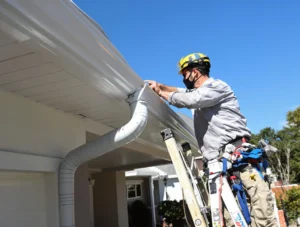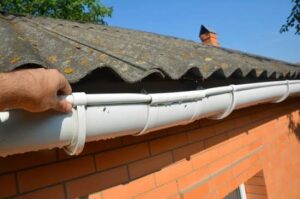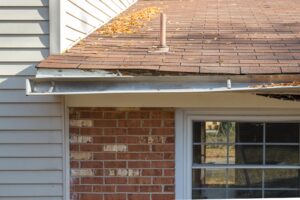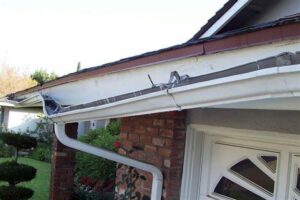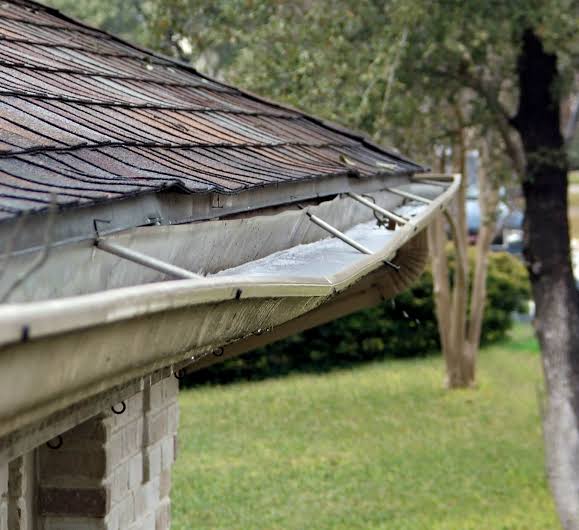
Strong winds can do more than move loose garden furniture or knock branches from trees. During severe weather, your gutter system can also take a surprising amount of pressure. Gutters are fitted along the edge of the roof, so they are exposed to wind, rain, falling leaves, branches and other debris.
For homeowners across Merseyside, checking for wind damaged gutters after a period of strong weather is a sensible part of property maintenance. Wind can loosen brackets, pull fixings away from the fascia, move gutter sections out of position and damage joints. In some cases, the damage may not be obvious from ground level.
A gutter system has an important job. It collects rainwater from the roof and directs it towards downpipes and suitable drainage points. A correctly working system helps keep rainwater away from walls, windows, doors and foundations. Basic information about how rain gutters work can also be found on Wikipedia’s rain gutter page.
Merseyside Gutters provides gutter cleaning and repair support across Merseyside, including Liverpool, Wirral, St Helens, Sefton, Knowsley and Halton. When a storm has affected your roofline, checking the gutters early can help you spot a small problem before it develops into a more expensive one.
How Strong Winds Affect Gutter Systems
Strong winds can affect a gutter system in several ways. The force itself can put pressure on guttering, while flying debris and movement around the roof can cause additional problems.
A gutter that is firmly attached to a sound fascia should normally cope with normal weather conditions. However, an older gutter system, weakened fixing points, cracked sections or existing damage can make the system more vulnerable during a storm.
One of the most common forms of wind damaged gutters is movement along the gutter line. A section may become slightly displaced without falling from the roof. It may still look acceptable from the ground but no longer have the correct position or fall needed to move rainwater towards the outlet.
Wind can also affect the parts holding the gutter in place. When brackets or screws become loose, the gutter may start to sag. Heavy rain can then collect in the low section, adding extra weight and putting even more pressure on the fittings.
The problem can become more noticeable during the next period of rainfall. Instead of flowing smoothly towards the downpipe, water may collect in one area or spill over the front edge.
This is why a visual inspection after strong weather is worthwhile, particularly when your property is exposed to open areas, coastal winds or mature trees.
Loose Gutter Brackets and Fixings
Loose gutter brackets are a common concern following severe weather. Brackets support the gutter and keep it positioned against the roofline. If a bracket moves or a screw becomes loose, the gutter may no longer sit correctly.
Strong winds can repeatedly shake parts of the roofline. This movement may gradually weaken older fixings, particularly where the timber or fascia behind the fixing has already deteriorated.
You may notice a gutter beginning to pull away from the wall or fascia. In some cases, one part of the gutter may appear lower than the sections beside it.
Signs of loose brackets can include:
- A section of gutter pulling away from the fascia
- Visible movement when viewed from the ground
- Sagging along a previously straight gutter line
- Water collecting in one section
- A bracket that appears tilted or out of position
- Gaps between the gutter and fascia
- New leaks appearing around a joint
It is important not to assume that replacing a screw alone will solve the problem. The fixing needs to hold securely in a suitable material. If the fascia has become weak or rotten, a new fixing may not provide a lasting solution.
This is one reason a professional gutter inspection Liverpool service can be useful after a major storm. Looking at the complete gutter line can help identify whether the problem is a loose bracket, damaged fascia, displaced guttering or a combination of issues.
Debris Entering Gutters During Storms
Strong winds can bring a large amount of debris onto your roof and into your gutters.
Leaves, small branches, moss, twigs, seed pods and roof grit can all be blown into the gutter channel. Properties close to trees can be especially affected during windy weather.
A sudden build up of debris can reduce the space available for rainwater. When heavy rain arrives, water may struggle to reach the downpipe. This can result in overflow.
Storm debris can also hide existing damage. A broken joint or cracked gutter section may be difficult to see when the gutter is full of leaves and wet material.
For this reason, cleaning and inspection often work well together. Clearing the gutter first makes it easier to see the condition of the gutter sections, brackets and joints.
Merseyside Gutters provides professional gutter cleaning across Merseyside, helping homeowners deal with leaves, moss, dirt and other debris that can restrict water flow. Once the gutter is clear, obvious problems can be easier to identify.
Cracked Joints and Displaced Gutter Sections
Gutter joints are another area worth checking after severe weather.
A gutter system is normally made from several sections joined together. These connections need to remain correctly aligned so that water can travel through the system without escaping.
Wind movement, impact from branches and the natural ageing of materials can all contribute to joint problems.
A cracked joint may cause water to drip during rainfall. You may notice dark staining on the wall below the connection or water repeatedly falling from the same point.
A displaced gutter section can create a different problem. Even when the gutter itself is not cracked, movement may affect its fall and alignment. Water can then remain in the gutter rather than flowing properly towards the outlet.
This type of storm gutter damage should not always be judged by appearance alone. A gutter can look reasonably straight from the garden while still having a problem with its position, joint connection or internal fall.
Where a section has been badly damaged, repairing or replacing the affected part may be more suitable than simply sealing the area.
Signs of Wind Related Gutter Damage
Knowing what to look for can help homeowners identify wind damaged gutters before they cause further problems.
One of the easiest signs is a gutter that looks different from before the storm. It may appear lower in one place, pull away from the roofline or have a visible gap.
Other warning signs include water pouring over one section during rainfall, leaking joints, loose brackets, cracked plastic, damaged metal, broken stop ends and gutters that appear twisted.
You should also pay attention to water appearing in places where it normally does not. Rainwater running down the wall can indicate a gutter or downpipe problem.
Inside the property, damp marks around the upper walls may sometimes be connected with external water management issues. This does not automatically mean the gutter is responsible, but it is worth investigating when the problem started after severe weather.
A simple ground level inspection can include looking along the gutter line and checking for visible movement, missing sections and obvious debris. However, homeowners should avoid climbing onto roofs or using ladders in unsafe conditions simply to inspect storm damage.
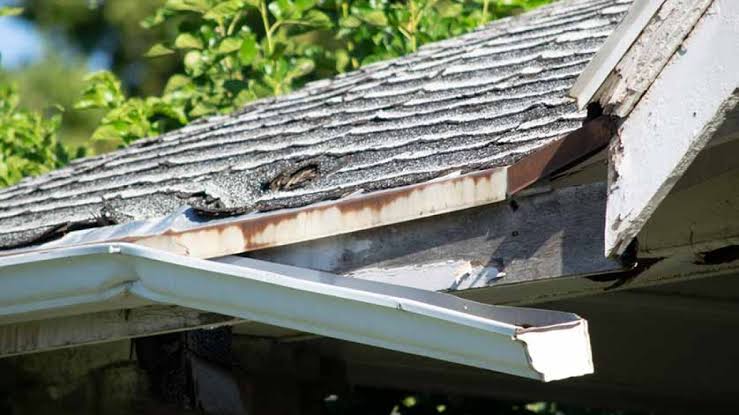
Checking Gutters After Storms
A post storm gutter check is particularly useful after strong winds combined with heavy rainfall.
Start by looking at the gutter from a safe position on the ground. Check whether all sections appear to be in place and whether anything has pulled away from the fascia.
Next, look for leaves, branches and other debris. If there has been a major storm, the amount of material in the gutter may be much greater than usual.
During rainfall, watch how water moves through the system. Water should generally travel along the gutter towards the outlet rather than collecting in low areas or overflowing over the front edge.
If you notice water falling from a joint, check whether that point continues to leak during different periods of rainfall. A persistent leak can indicate a damaged seal, cracked joint or displaced gutter section.
Look at the downpipe as well. A gutter can appear clean while the outlet or downpipe remains blocked.
Do not put yourself at risk by climbing onto a wet roof or using a ladder in windy conditions. Roofline inspections at height require proper equipment and safe working methods.
For homeowners who need a professional gutter inspection Liverpool service, Merseyside Gutters can assess gutter condition and identify problems that may not be obvious from the ground.
Cleaning Versus Gutter Repair
One of the most important questions after a storm is whether your gutters simply need cleaning or whether they require a repair.
Cleaning removes materials that are stopping water from flowing. This can include leaves, moss, twigs, dirt and roof debris.
Repair is different. It deals with physical problems such as cracked sections, broken brackets, leaking joints, displaced guttering or damaged fittings.
The two problems can occur together.
For example, a strong storm may blow leaves and branches into a gutter that already has a loose bracket. Clearing the debris may restore some water flow, but the loose bracket still needs attention.
This is why simply cleaning wind damaged gutters may not provide a complete solution.
A careful gutter cleaning service should involve more than removing visible debris. Once the gutter is clearer, its condition can be easier to assess.
Merseyside Gutters offers both gutter cleaning and gutter repair services, making it easier to deal with a blockage and identify related gutter problems during the same property visit.
For homeowners looking specifically for repair support, the Gutter Repair Services in Merseyside page provides more information about the types of gutter problems that can be addressed.
Can Gutter Cleaning Identify Storm Damage?
Yes, gutter cleaning can sometimes help identify storm damage, although cleaning is not the same as a full structural inspection.
A gutter full of leaves and moss can hide cracks, loose joints and damaged areas. Once the debris has been removed, visible problems may become much easier to spot.
Cleaning can also reveal whether water is able to move through the system correctly. If the gutter remains full in one particular area after clearing, there may be an issue with its position, fall or outlet.
However, some problems are difficult to identify without safe access and a closer inspection.
For example, a fixing may appear secure from the ground but have weakened the fascia behind it. Likewise, a small crack may only become obvious when the gutter is examined more closely.
This is why a combination of cleaning and inspection can be helpful after severe weather.
Why Storm Damage Should Be Dealt With Early
It can be tempting to ignore a small gutter problem when the weather improves. However, a damaged gutter can become more troublesome when the next heavy rainfall arrives.
A small leak may begin to stain brickwork or render. A loose gutter can become more unstable during another period of strong wind. A blocked outlet can cause water to overflow repeatedly.
Water that is not directed away from the building may affect external walls, fascia boards, soffits and other parts of the roofline.
This does not mean every gutter problem requires an immediate full replacement. In many cases, a suitable repair can solve the issue.
The important part is finding the actual cause rather than simply treating the visible symptom.
Merseyside Gutters aims to assess the condition of the guttering and recommend a practical solution based on the problem found.
Preventing Repeat Problems
You cannot control the weather, but you can reduce the risk of gutter problems becoming serious.
Regular gutter cleaning can help prevent heavy debris from building up. This is especially important for homes surrounded by trees or properties where moss regularly falls from the roof.
It is also useful to keep an eye on the condition of brackets, joints, stop ends and downpipes. Problems that are found early are often easier to deal with than damage that has been allowed to worsen.
After a period of particularly strong weather, carry out a safe ground level visual check. Look for movement, sagging, debris, leaks and sections that appear out of alignment.
Older gutter systems may also benefit from periodic assessment. Plastic can become brittle with age, while metal systems can develop corrosion or other signs of wear.
Good maintenance does not mean waiting until water is overflowing. A proactive approach can help protect the roofline and reduce the chance of emergency repairs.
Wind Damaged Gutters in Liverpool and Across Merseyside
Weather conditions can vary across Merseyside, but homes throughout the area can experience the effects of strong wind and heavy rain.
Liverpool, Wirral, St Helens, Southport, Bootle, Crosby, Formby, Birkenhead, Wallasey, Prescot, Huyton, Kirkby, Maghull and surrounding areas all have residential properties with different roof styles, gutter materials and levels of exposure.
Properties in open locations may experience stronger wind exposure, while homes close to mature trees can receive more leaves and branches during storms.
When wind damaged gutters are left unchecked, a small problem can become harder to manage. That is why local homeowners often look for reliable gutter repair Merseyside support after severe weather.
Merseyside Gutters works with residential properties across the area, providing gutter cleaning and repair services designed around the condition of the individual gutter system.
Whether the problem is a blockage, loose bracket, leaking joint, cracked section or gutter that has moved out of position, the right solution depends on the condition of the system.
When to Call Merseyside Gutters
You may need professional support when the gutter is difficult to access, pulling away from the property, leaking from several places or showing signs of storm damage.
Professional help is also sensible when you cannot safely inspect the gutter yourself.
Merseyside Gutters can help with gutter cleaning, gutter repairs, blocked downpipes, leaking joints, damaged sections and other common roofline gutter problems across Merseyside.
The company provides services for residential and commercial properties and covers areas including Liverpool, Wirral, Sefton, St Helens, Knowsley and Halton.
The aim is simple. Identify the problem, explain what needs attention and help restore the gutter system so rainwater can move away from the building properly.
Frequently Asked Questions
Can strong winds loosen gutters?
Yes. Strong winds can put pressure on gutter sections, brackets and fixings. Existing weakness, old fittings or damaged fascia boards can make the gutter more vulnerable. If a gutter appears to have moved, sagged or pulled away from the roofline, it is sensible to arrange an inspection.
How can I check gutters after a storm?
Start with a safe ground level visual check. Look for missing or displaced sections, loose brackets, visible gaps, cracks and large amounts of debris. During rainfall, watch for water overflowing or leaking from joints. Avoid climbing onto a wet roof or using a ladder during unsafe weather.
Can gutter cleaning identify storm damage?
Gutter cleaning can reveal some types of storm damage because removing leaves and debris makes the gutter easier to inspect. Cleaning can expose damaged joints, cracks, loose sections and blocked outlets. However, cleaning does not replace a professional inspection where the gutter is badly damaged or difficult to access.
What are the main signs of wind damaged gutters?
Common signs include sagging, movement, loose brackets, displaced sections, leaking joints, cracks, gaps between the gutter and fascia and water overflowing from an unusual point. A sudden change after a storm is also a useful warning sign.
Should I repair or replace a damaged gutter?
It depends on the condition and extent of the damage. A small leak, loose bracket or damaged joint may be repairable. A gutter that is badly cracked, repeatedly failing or affected by widespread deterioration may need replacement. A professional assessment can help determine the most suitable option.
Can blocked gutters make storm damage worse?
Yes. A blocked gutter can hold a large amount of wet debris and water, creating extra weight. If the gutter already has loose brackets or weak fixings, this additional weight may make the problem worse.
How often should gutters be checked in Merseyside?
There is no single schedule suitable for every property. Homes near trees, properties with mossy roofs and buildings exposed to severe weather may need more frequent checks. A visual inspection after major storms is also sensible.
Protect Your Home From Wind Damaged Gutters
Wind damaged gutters can start with something that looks minor, such as a loose bracket or a small amount of movement. The problem may become more serious when heavy rain arrives and the gutter can no longer move water correctly.
Checking the system after strong winds, keeping gutters free from debris and dealing with visible faults early can help protect your roofline and external walls.
For homeowners across Liverpool and the wider Merseyside area, Merseyside Gutters provides professional gutter cleaning and repair support. The team can help identify common problems caused by debris, ageing, leaks, loose fittings and storm conditions.
If you have noticed wind damaged gutters, overflowing water, loose brackets or a gutter section that appears to have moved, getting the problem checked early can give you greater peace of mind and may help prevent more costly damage later.
Need your gutters checked after strong winds? Contact Merseyside Gutters for trusted gutter cleaning and repair across Merseyside.