Knowing how to clean gutters can help prevent overflowing rainwater, damp walls, stained brickwork and roofline damage. The job may look simple, but it involves wet debris, awkward access and possible work at height. A safe plan matters as much as a clean gutter.
This guide explains how to inspect your system, remove leaves and moss, clear the outlet, check the downpipe and test the final water flow. It also explains when cleaning from the ground is the sensible choice and when to call a local gutter specialist.
Quick Answer: How to clean gutters safely
The safest way to clean gutters is from the ground with suitable extension tools or a professional gutter vacuum. First, inspect the gutter and surrounding area. Remove loose debris, clear the outlet, check the downpipe and then pour a controlled amount of water into the gutter to confirm that it drains freely.
If safe ground access is not possible, or the property is high, difficult to reach or close to electrical cables, use a trained and insured professional.
What gutters do and why they become blocked
Gutters collect rainwater from the roof and carry it to an outlet. The outlet feeds a downpipe, which directs the water to a drain or soakaway. Every part must remain open for the system to work.
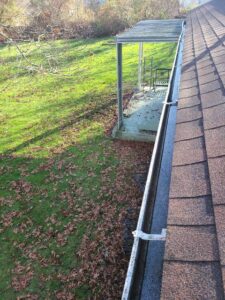
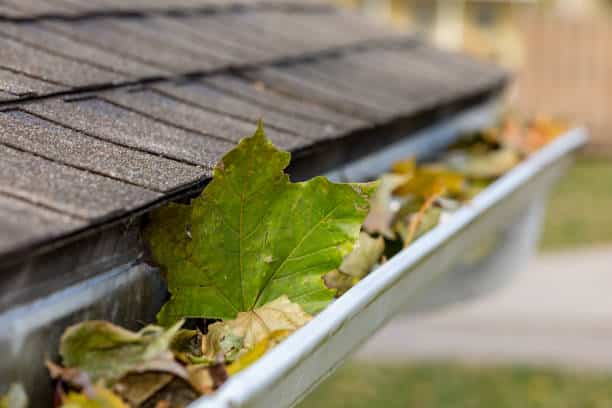
Leaves are only one cause of a blockage. Roof moss, twigs, seed pods, mud, bird nesting material and pieces of broken mortar can also collect inside the channel. Fine dirt settles at the bottom and forms a heavy layer when it mixes with rain. Plants may then begin to grow in the damp material.
A blocked outlet can leave water sitting in the gutter. The added weight may pull joints apart or make a section sag. During heavy rain, water can spill over the edge and run down the wall. Learning how to clean gutters correctly helps you address the cause early.
Signs that your gutters need cleaning
You do not always need to see inside the gutter to spot a problem. Look for these warning signs:
- Water pouring over the front or back of the gutter
- Plants, grass or moss growing above the edge
- Dark streaks or green marks on the fascia and outside wall
- Water dripping from a joint when it rains
- A gutter section that looks bowed or lower than the rest
- Damp patches near an outside wall or around the base of the property
- Water collecting near a downpipe instead of entering the drain
- A slow trickle from the downpipe during heavy rain
A drip may come from a failed seal rather than debris. Cleaning can reveal the area, but it will not repair a cracked fitting, loose bracket or damaged joint. Inspect the system again after removing the dirt.
Gutter cleaning tools and protective equipment
Prepare everything before you begin. The right tools reduce mess and unsafe reaching.
Useful gutter cleaning tools include:
- Strong waterproof gloves
- Eye protection
- Non slip footwear
- A plastic gutter scoop or small plastic trowel
- A bucket or strong waste bag
- A ground sheet for paths and plants
- A hose with a gentle spray setting
- Extension poles with a gutter brush or scoop attachment
- A gutter vacuum with suitable poles and camera equipment
Avoid sharp metal tools because they can scratch coatings or damage plastic guttering. Never put bare hands into hidden debris. Sharp objects and animal waste may be present.
Should you clean from the ground or use a ladder?
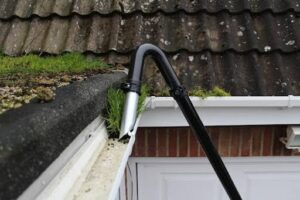
When deciding how to clean gutters, ask whether the work can be completed from ground level. Extension tools and gutter vacuum systems can remove debris without placing you beside the roof edge. They also reduce repeated ladder climbing.
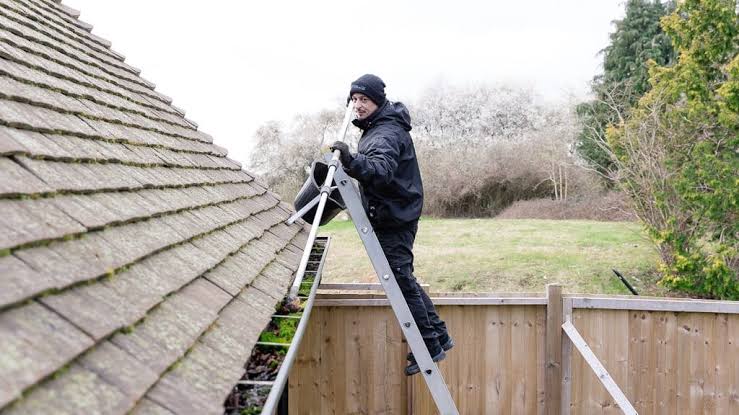
The UK Health and Safety Executive guidance says that as much work as possible should be done from the ground. If a ladder is considered, it must be suitable, stable and strong enough for the task.
Never place a ladder on loose soil, wet leaves, uneven paving, bins, boxes or bricks. Do not rest it against plastic guttering. Keep it away from doors, traffic and electrical hazards. Secure it and maintain three points of contact wherever possible.
Do not lean sideways. Climb down and move the ladder. Stop if the ground becomes wet, the wind increases or light fades. If the job requires stretching, heavy equipment or both hands for long periods, ground operated equipment or professional access is safer.
How to inspect the gutters before starting
Walk around the property in daylight. Note any conservatory, porch, extension, narrow path, sloping ground or overhead cable that could affect access.
Check where each downpipe begins and discharges. Make sure the drain below is not full of leaves. Look for cracked joints, missing stop ends, loose brackets, separated sections and sagging. Photographs provide a useful before and after record.
Do not begin during rain, strong wind, frost or poor light. Wet roofs, paths and ladders raise the risk of slipping.
How to clean gutters step by step
1. Protect the area below
Move furniture, pots and vehicles away. Cover paths or delicate plants, and keep children and pets indoors. Debris can fall without warning.
2. Start near the downpipe outlet
The outlet is often the main restriction. Begin close to it, but do not push dirt into the downpipe. Remove material around the opening first so trapped water can drain.
3. Remove large debris
Use a plastic scoop, extension attachment or gutter vacuum. Remove leaves, moss, twigs and plants in small amounts. Put the debris into a bucket or bag.
Work in manageable sections. Wet mud and moss can be heavy. Do not pull hard against brackets or joints. Loosen fixed material gently.
4. Remove the wet silt
Remove the fine mud at the bottom because silt holds moisture and supports plant growth. A wet vacuum works well. If using hand tools, collect the silt rather than washing it into the downpipe.
5. Check the gutter surface
Look for standing water, rust, splits, holes and failed seals. Water remaining in one area may show that the gutter has lost its correct fall and needs repair.
6. Rinse with a controlled amount of water
Use a gentle flow of water to move fine dirt towards the outlet. Do not flood the gutter before confirming that the downpipe is open. Watch each joint for leaks.
This is the basic method for how to clean gutters on a normal home. Access, height and building design change the risk, so stop if a safe working position is unclear.
How to clean the gutter outlet
The outlet connects the gutter to the downpipe. Lift out all visible material. A narrow plastic tool can loosen packed moss, but never force a hard object into the pipe.
Add a small amount of water. If it quickly reaches the drain, the outlet is probably open. If the water rises or drains slowly, stop. The blockage may be inside the downpipe.
When learning how to clean gutters, treat the outlet as a separate checkpoint. A clear gutter channel cannot work if this small opening remains blocked.
How to check and clear a blocked downpipe
A downpipe may be blocked if water gathers around the outlet after the gutter is clear. Other signs include weak flow at the bottom or water escaping from a pipe joint.
Inspect the bottom shoe and drain opening first. Remove visible material while wearing gloves. A trained person may carefully open an accessible connection to check the lower section.
A suitable flexible rod may move soft debris. Work gently because hard pushing can separate joints or pack the blockage tighter. Never use a sharp pole. The restriction may also be inside the underground drain.
Test with a small amount of water. If flow remains slow, call a gutter or drainage professional. Repeated overflow may indicate poor alignment, pipe damage or a drainage problem.
How to test the water flow
Testing shows whether the full system works. Add water at the end furthest from the outlet. It should move steadily towards the downpipe without forming a deep pool.
Check the joints, stop ends and outlet connection. Confirm that water reaches the drain. Standing water may mean the gutter needs realignment, while a leaking joint may need a new seal or fitting.
Common gutter cleaning mistakes
Flushing debris into the downpipe
Washing leaves and moss into a narrow pipe can create a solid blockage. Collect the material first.
Using too much pressure
A pressure washer can spread dirty water, force water into gaps and disturb weak joints. A scoop, vacuum and controlled rinse give better control.
Leaning a ladder against the gutter
Plastic guttering is not a safe support point. It can bend, crack or pull away from the fascia.
Reaching too far
Keep your body centred and move access equipment instead of reaching for another section.
Cleaning only the visible section
Porches, extensions, valleys and short gutter runs also collect debris. Check every outlet and downpipe.
Ignoring visible damage
Cleaning does not fix a split joint, loose bracket or poor fall. Record defects and arrange repairs.
Working in unsuitable weather
Wind, rain, ice and fading light make a routine task unsafe. Wait for dry, calm conditions.
Understanding these mistakes is an important part of learning how to clean gutters properly.
How often should gutters be cleaned?
Most homes benefit from an inspection in spring and another after the main autumn leaf fall. A home beside mature trees may need more frequent attention, while a sheltered property may need less.
Also inspect after strong wind, roof work or heavy rain. Commercial buildings and large roofs may need a planned schedule because they collect more water and debris.
The best answer is based on evidence from your own property. If a gutter fills again within a few months, shorten the interval.
When professional gutter cleaning is safer
Call a professional if gutters are above a conservatory, extension or fragile roof, or if the ground is narrow, sloped or uneven. Help is also sensible for tall buildings, heavy growth, hidden gutters, repeated blockages and work near electrical cables.
You should also stop if brackets are loose, the fascia looks rotten, the gutter is pulling away or access equipment cannot be secured. Knowing how to clean gutters includes knowing when not to continue.
Gutter cleaning advice for Merseyside properties
Merseyside has terraced houses, semidetached properties, bungalows, flats and commercial buildings. Bay windows, rear extensions, shared passages and conservatories can make gutter runs difficult to reach.
Wind carries leaves, twigs and grit onto roofs across Liverpool, Wirral, Sefton, St Helens, Knowsley and Halton. Moss from shaded roof slopes then washes into gutters during rain. In coastal areas of Wirral and Sefton, metal fittings also deserve regular checks.
Inspect before the wettest months and after autumn leaf fall. Homes near mature trees in Woolton, Crosby, Formby, Southport or the Wirral may need more checks. Local conditions matter more than a fixed date.
How Merseyside Gutters can help
If you would rather avoid work at height, Merseyside Gutters offers fully insured cleaning for homes and commercial properties across Merseyside. The team uses a ground operated gutter vacuum to remove water, leaves, moss, mud and other debris without routine ladder access.
The outlet and downpipe are checked for flow. After cleaning, the team checks visible guttering for signs of damage. Before and after photographs make the result easy to review.
For local help with how to clean gutters, clear a difficult blockage or inspect a leaking system, contact Merseyside Gutters for a free quote.
Final gutter maintenance checklist
Before you finish, confirm that:
- Leaves, moss, mud and plant growth have been removed
- Every gutter outlet is open
- Each downpipe carries water freely
- Water flows towards the outlet without deep pooling
- Joints and stop ends do not leak
- Brackets are secure and sections are not sagging
- The drain below the downpipe is clear
- All debris has been removed from paths and planting areas
- Any visible damage has been recorded for repair
Frequently Asked Questions
What is the safest way to clean gutters?
The safest method is usually to work from the ground with extension tools or a gutter vacuum. Inspect first, remove debris in sections and test with a small amount of water. Use a professional for high or awkward gutters.
Can I clean gutters with a pressure washer?
You can, but it is rarely the best choice. High pressure may spread dirt, damage weak joints or force water into gaps. Remove debris with a scoop or vacuum, then rinse gently. Never use pressure washing equipment from an unsafe ladder position.
How do I know whether a downpipe is blocked?
Water may collect around the outlet, overflow from a clean gutter or escape through a pipe joint. Flow at the bottom may be slow or absent. Clear the visible opening, then test with a little water. Persistent slow flow needs professional help.
Can gutter guards stop every blockage?
No. Guards reduce larger leaves, but fine moss, seeds, silt and roof grit may still enter or collect on top. Check guarded gutters regularly and clean them when water flow slows.
How much debris should be removed?
Remove all leaves, moss, plants, twigs and wet silt. The channel, outlet and downpipe must let water move freely. Do not remove only the material visible above the edge.
Should gutters be cleaned before or after roof cleaning?
Clean gutters after roof cleaning because falling moss and dirt can fill them. Protect the outlets during roof work so debris is not washed into the downpipes. Finish with a gutter clean and water flow test.
How to clean gutters without a ladder?
Use extension tools, a wet vacuum with gutter poles or a professional gutter vacuum service. A camera can confirm what remains inside. Never stand on furniture, bins or an unstable platform.
Keep rainwater moving safely
The key to how to clean gutters is simple: work safely, remove the debris instead of pushing it into the downpipe, and test the complete route from roofline to drain. Regular checks can reveal small blockages and visible defects before the next spell of heavy rain.
If access is awkward or the system still overflows after cleaning, do not take an avoidable risk. Contact Merseyside Gutters today for a free quote and clear your gutters with confidence.