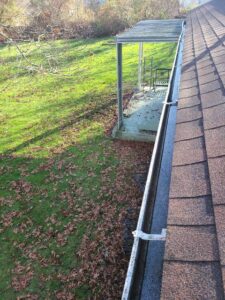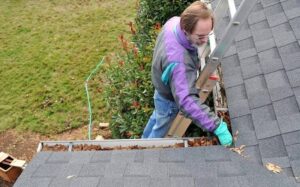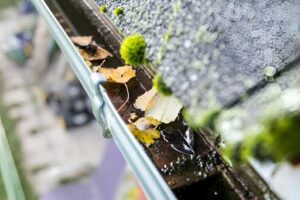
Learning how to clean gutters from the ground can help you remove leaves, moss and loose dirt without climbing a ladder. The right method depends on the height of the property, the type of blockage and how clearly you can see inside the gutter.
A telescopic gutter vacuum is often the most effective choice because it can collect wet and dry debris while the operator stays on stable ground. Pole scoops, gutter tongs, brushes, hose attachments and leaf blower tools can also help in the right conditions.
Can Gutters Be Cleaned Properly From the Ground?
Yes, many gutters can be cleaned well from the ground with suitable equipment. The best results come from using a tool that matches the debris and a camera that shows what is happening above.
A gutter vacuum can lift leaves, moss, silt and small pieces of debris. A pole scoop can pull out soft clumps. Tongs can grab twigs or larger objects. A hose can rinse light dirt after solid waste has been removed.
The result depends on the height of the gutter, the working angle, access around the walls and the condition of the gutter system. Ground level tools work best for regular maintenance and clear gutter runs. They are less effective when roots, broken tiles, hard mud or damaged fittings are present.
Knowing how to clean gutters from the ground also means knowing when to stop. If the gutter moves, leaks or holds water after cleaning, it may need repair rather than more force.
How to Inspect Gutters Without Climbing
Inspect the gutter before choosing a cleaning method. Walk around the property and look for plants, hanging moss, dark stains, sagging sections and water marks below joints.
Binoculars can help with a first check. A phone on a secure inspection pole can provide a closer view. A wireless camera fitted to a gutter cleaning pole is even better because it lets you see the debris while working.
During rain, look for water spilling over the edge or running down the wall. Check whether water leaves the bottom of the downpipe. Overflow near one corner often points to a blocked outlet or a gutter that has lost its correct fall.
Do not use long poles near overhead power lines. Avoid working in strong wind, heavy rain, ice or poor light. Keep people, pets and vehicles away from the area below the gutter.
Ground Level Gutter Cleaning Tools Compared
For most blocked gutters, a professional vacuum and camera system offers the best balance of reach, control, cleaning quality and low mess.
Using a Telescopic Gutter Vacuum
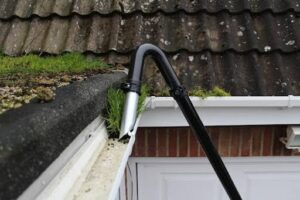
A telescopic gutter vacuum is one of the best tools for anyone learning how to clean gutters from the ground. Long lightweight poles connect to a wet and dry vacuum. A shaped nozzle reaches into the gutter and lifts debris into a collection drum.
A camera near the top of the pole helps the operator find blocked areas and confirm that the gutter is empty. This is important around corners, outlets and sections hidden by extensions or conservatories.
Start by checking the ground and building. Connect only the pole length needed. Work in short sections and let the suction lift the waste. Do not push the pole hard against the gutter because plastic joints, brackets and stop ends can move or crack.
A strong gutter vacuum can remove wet moss and silt that brushes often leave behind. It also contains the waste, which means less dirt on paths, windows and walls.
Merseyside Gutters uses vacuum equipment that can reach gutters up to 45 feet while the operator remains on the ground. This provides a safer solution for many high gutters on homes, flats and commercial buildings across Merseyside.
Using a Gutter Scoop Attached to a Pole
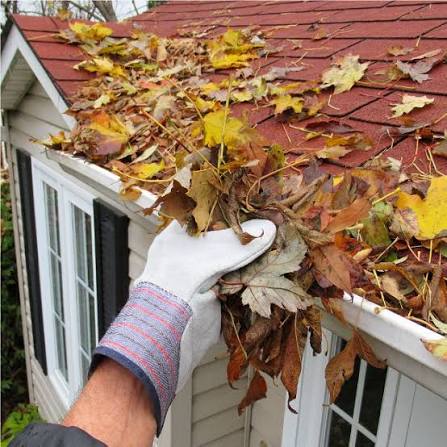
A gutter scoop on a telescopic pole can work well on low or easy to reach gutters filled with loose leaves. The scoop moves along the channel and pulls debris towards an open area.
Use gentle movements. Pushing too hard can catch a joint, loosen a bracket or pack debris around the outlet. A scoop also gives limited feedback when the gutter cannot be seen.
This method is best for open gutter runs, dry leaves and soft moss. It is less useful for heavy silt, stones, roof grit or deep blockages.
Place a sheet or container below the work area because debris may fall. Check the gutter with a camera after cleaning. When learning how to clean gutters from the ground with a scoop, visibility matters as much as reach.
Using Gutter Tongs and Grabbing Tools
Gutter tongs have jaws that open and close using a handle, rope or trigger. They can remove twigs, balls, pieces of tile and thick clumps of leaves.
Tongs are better for spot cleaning than for a full gutter run. The object must be visible and easy to grip. Do not catch the gutter lip, seal or bracket.
If an item will not move with gentle pressure, stop. It may be trapped under a joint or caught around a plant root. Pulling harder can damage the gutter.
Using a Hose Attachment Carefully
A hose attachment can rinse light dirt towards the outlet, but it should not be the first tool used on a packed gutter. Water turns leaves and silt into heavy sludge, which may block the downpipe or spill onto the wall.
Remove solid debris first. Then use a low and controlled flow to rinse the channel and test the outlet. Watch where the water exits.
Avoid strong pressure near joints, stop ends and old plastic. Water can pass through weak seals or spray under the roof edge. Do not use a pressure washer to blast the gutter from the ground.
A hose is best for final rinsing and flow testing. It is not the best answer to how to clean gutters from the ground when the blockage is solid.
When a Leaf Blower Attachment May Help
A leaf blower attachment may clear dry leaves from an open gutter after several rain free days. It will not remove wet moss, hard mud or compacted silt.
The main drawback is mess. Leaves and dust may land on windows, paths, nearby cars or a neighbour’s property. Falling debris can also injure someone below.
Check the wind direction, protect your eyes and close the work area. For busy streets, shared paths or gutters above a conservatory, a vacuum is usually a cleaner choice.
How to See Inside the Gutter While Working
Poor visibility is the main weakness of ground level gutter cleaning. You need to see where debris remains and whether the outlet is clear.
A wireless camera fixed near the cleaning head gives the best live view. A phone on a secure pole, an inspection mirror or binoculars can also help.
Check the full gutter run, corners and outlet. Look for standing water, split joints and loose brackets. Take a final photo after cleaning.
The answer to how to clean gutters from the ground is not only about getting a tool high enough. You also need proof that the gutter is clear and water can flow.
How to Clean Around the Gutter Outlet
The outlet connects the gutter to the downpipe and is a common blockage point. Leaves often collect around the opening while fine silt settles underneath.
Remove debris from both sides of the outlet. Lift the top layer first, then vacuum or scoop the remaining material. Use a camera to check the opening before adding a small amount of water.
Do not push a solid clump into the downpipe. This moves the blockage to a harder place.
If water still sits in the gutter after the outlet is clear, the gutter may be sagging or fitted with the wrong fall. Cleaning alone will not fix that problem.
How to Check a Downpipe From Ground Level
A downpipe can look clear from outside while being blocked inside. Check the bottom for slow drips, trapped water or no flow during a small water test.
Some downpipes have a removable shoe or access point near the bottom. Only open it when you can control the dirty water and debris. Wear gloves and keep your face away from the opening.
A flexible rod may help with a simple blockage near the bottom, but do not force it around bends. It may separate, crack a fitting or push the blockage deeper.
If the downpipe connects to an underground drain, the blockage may be below ground. Gutter cleaning tools will not solve a drain fault.
A full answer to how to clean gutters from the ground must include checking both the gutter outlet and the downpipe flow.
Problems Ground Level Tools Cannot Solve
Ground level tools remove debris, but they do not repair damaged parts. A professional inspection may be needed for split joints, broken brackets, rotten fascia boards, loose tiles, cracked downpipes or gutter sections with the wrong fall.
Other difficult problems include heavy plant roots, birds nests, roof felt hanging into the gutter and blocked underground drains.
Stop if the gutter moves when touched by the pole. Also stop if the vacuum collects pieces of tile, mortar or broken plastic. These may point to a roof or gutter fault that needs closer attention.
Mistakes That Can Damage Gutter Joints
Poor technique can damage a gutter even when the operator stays on the ground.
Common mistakes include pulling a pole sideways, striking joints with a metal tool, using too much water pressure, twisting the gutter with tongs and pushing waste into the outlet.
A pole that is too long or heavy can also become hard to control. Strong wind makes this worse.
Work slowly in small sections. Use a camera where possible. Let the vacuum lift the waste instead of using the pole as a lever.
This is an important part of how to clean gutters from the ground without creating a leak or repair bill.
Can Two Storey Gutters Be Reached From the Ground?
Some two storey gutters can be reached with professional carbon poles or a purpose built telescopic system. The real reach depends on building height, ground level, gutter position and obstacles such as extensions.
A basic shop bought pole may reach the front of a house but fail at the rear where the ground is lower. It may also become difficult to control when fully extended.
Never stand on a chair, bin, wall or makeshift platform to gain extra reach. This removes the main safety benefit of ground level cleaning.
Merseyside Gutters can use vacuum equipment for gutters up to 45 feet while the operator stays on the ground. Camera checks help guide the work and confirm the result.
When to Use a Professional Service
Use a professional service when the gutter is high, hard to see, heavily blocked or above a glass roof, extension or shared path. Professional help is also sensible when the gutter leaks, sags or still overflows after loose debris has been removed.
Merseyside Gutters provides ground level gutter cleaning for homes and businesses across Merseyside. The service is suitable for properties in Liverpool, Wirral, St Helens, Sefton, Knowsley and Halton.
Professional vacuum cleaning offers strong suction, long reach, camera checks and better control of the waste. It can also reach areas that basic pole tools may miss.
For many property owners, booking a trained team is safer and more effective than buying several attachments without knowing whether the gutter is fully clear.
Merseyside Ground Level Cleaning Example
Consider a two storey home in Liverpool with a rear extension. The front gutter is visible, but the rear gutter sits above a glass roof. Wet leaves and moss collect near the outlet, causing water to spill over the corner.
A pole scoop may reach part of the gutter, but the extension blocks the working angle. A hose may push more debris into the outlet. A leaf blower may spread wet dirt across the roof.
A professional gutter vacuum can be extended from stable ground. The operator can guide the nozzle with a camera, collect the debris in the drum and inspect the outlet before testing the water flow.
This example shows why the best answer to how to clean gutters from the ground depends on reach, access, debris and visibility. A long pole is not enough if the operator cannot control the tool or check the final result.
What Is the Best Ground Level Gutter Cleaning Tool?
For most homes, the best tool is a telescopic gutter vacuum with a camera. It removes wet and dry waste, contains the mess and shows the operator what remains.
A scoop may be enough for a low gutter with dry leaves. Tongs are useful for one visible object. A hose is better for rinsing and flow checks than for removing a packed blockage.
Can a Wet Vacuum Clean Gutters?
A purpose built wet and dry gutter vacuum can clean gutters when it has suitable suction, a collection drum, long poles and a gutter nozzle.
A normal household wet vacuum is not designed for roof height. Homemade pipe extensions may reduce suction and make the tool hard to control.
Can I Reach Two Storey Gutters From the Ground?
Yes, many two storey gutters can be reached with professional telescopic poles. Building height, ground level and obstacles affect the result.
Merseyside Gutters can reach gutters up to 45 feet with its vacuum equipment while the operator remains on the ground.
How Can I See Whether the Gutter Is Empty?
Use a wireless inspection camera, a secure phone pole, a mirror or binoculars. A camera near the cleaning head gives the clearest view.
Check the full gutter, corners and outlet. A small water test can then confirm that the downpipe flows.
This final check is a vital part of how to clean gutters from the ground properly.
Can a Hose Clear a Blocked Downpipe?
A hose may clear a light blockage, but it can also compact debris or cause water to back up. Start with low flow and watch the outlet.
Stop if water rises in the gutter or leaks from a joint. A solid blockage may need vacuum work, rods, pipe removal or drain cleaning.
Book Ground Level Gutter Cleaning in Merseyside Today
Protect your property before the next heavy rain. Contact Merseyside Gutters for a free quote in Liverpool, Wirral, St Helens, Sefton, Knowsley or Halton.
Get clear gutters, better water flow and a safer service from the ground.