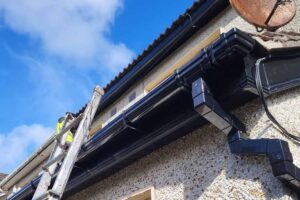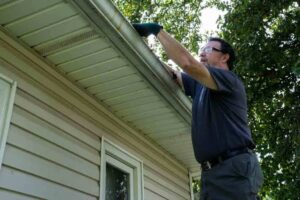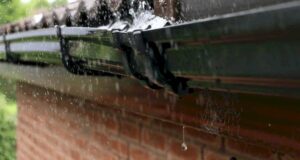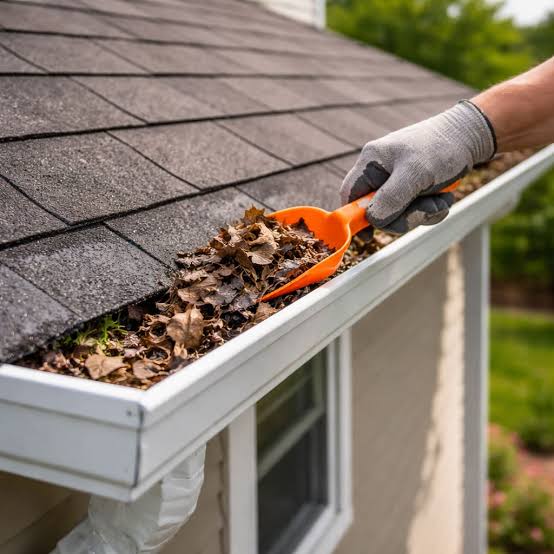
If you are asking should i repair or replace gutters, start with the condition of the whole system. An isolated leak, loose bracket or damaged joint may suit a repair when the surrounding guttering is sound. Widespread cracks, repeated failures or unavailable matching parts can make replacement worth considering.
There is also a middle option. Replacing one damaged length or one side of the property may solve the problem without removing gutters that still work properly.
For homeowners in Liverpool, the right decision depends on the fault, the cost of putting it right and the likely maintenance afterwards. This guide explains how to compare gutter repair or replacement, what to ask during an inspection and when each option makes practical sense.
When Gutter Repair Makes Sense
Repair is often sensible when a problem is limited to one area and the rest of the system remains secure. A leaking connector does not automatically mean every gutter around the house needs replacing.
For example, water dripping from one joint could result from a worn seal, a loose fitting or a gutter section that has moved. If the adjoining lengths remain sound, correcting that connection may restore normal drainage.
A sagging section can sometimes be realigned and supported with suitable brackets. However, the fixing surface must also be checked. Securing a bracket into damaged timber will not provide a dependable repair.
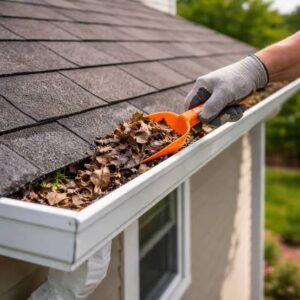
Before deciding should i repair or replace gutters, establish whether the gutter itself has failed or whether a related problem is causing the symptoms. Leaves, moss and blocked downpipes can make sound guttering overflow.
Repair is most useful when it addresses a clear cause. Ask what has failed, what will be changed and whether the surrounding parts are likely to remain serviceable.
Merseyside Gutters offers gutter repair services for problems such as leaking joints, damaged sections and poor alignment.
When Replacement Is Worth Considering
Replacement becomes worth considering when damage affects several areas or the existing system can no longer be repaired reliably.
Multiple splits along different lengths, extensive corrosion or plastic that breaks around several fittings can indicate a wider problem. Replacing one small part may leave other weak areas waiting to fail.
Repeated repairs also deserve attention. If several joints have needed work within a short period, ask whether the issue is general deterioration, unsuitable installation or movement throughout the system.
Some of the clearest signs gutters need replacing involve the material itself. A seal can be changed, but a gutter body that has become fragile across a whole run may offer little support for new fittings.
Replacement may also be appropriate when the current arrangement cannot handle the water reaching it. In that case, the proposal should explain how the new design will improve drainage.
The answer to should i repair or replace gutters should follow the inspection findings. A full replacement should have a clear reason beyond age or appearance alone.
Why Condition Matters Alongside Age
Old gutters do not always need replacing. Age provides background information, but it does not show how well a particular system works today.
An older gutter that remains secure, drains properly and has sound joints may still be useful. A newer installation can perform badly if it has unsuitable fittings, poor support or an incorrect layout.
Maintenance and exposure also affect condition. Gutters beneath trees may collect debris more quickly. Different elevations of the same property may experience different levels of sunlight, wind and weather.
Colour fading should be considered separately from structural damage. Plastic can lose its original colour without necessarily losing its ability to carry rainwater.
When considering should i repair or replace gutters, focus on visible defects and performance during rain. Are there cracks? Does water escape from several places? Are brackets secure? Is water reaching the outlets?
Be cautious about advice based only on an assumed replacement age. A useful assessment explains which parts are still sound and which have reached the point where further repair offers poor value.
One Damaged Section Compared With Widespread Damage
The spread of damage is one of the most useful ways to compare your options.
A single broken length may result from a local impact or a failed support. If the remaining guttering is in good condition, replacing that length could be enough.
Widespread damage needs a broader assessment. Cracks along the front, leaks around the rear and failing connections near several downpipes suggest that work on one spot may not solve the overall problem.
Consider two example situations.
On one house, a branch has broken a short section above a porch. The surrounding gutters are secure and drain normally. A local replacement may be reasonable.
On another house, several lengths are distorted and multiple fittings are damaged. Replacing one connector would leave most of the defects untouched. Replacing complete runs may offer better value.
If you are asking should i repair or replace gutters, request photographs showing the extent of the problem. They help you understand whether the recommendation concerns one fault, one elevation or the whole property.
Repeated Leaks and Previous Repairs
A leak returning after a repair does not always mean replacement is necessary. It may mean the original cause was not fully resolved.
For example, a joint could continue leaking because nearby brackets allow movement. Water might also build up behind a blocked outlet and escape through a weak connection.
Repeatedly adding sealant can hide these causes without correcting them. Depending on the system, a reliable solution may involve a suitable replacement seal, fitting or gutter length.
Keep a record of previous work where possible. Note the location, what was repaired and how long the improvement lasted. Photographs taken during rainfall can also help explain the pattern.
The question should i repair or replace gutters becomes easier to answer when that history is available. One unsuccessful repair may justify a better diagnosis. Several properly completed repairs followed by new failures elsewhere may point towards wider deterioration.
Ask the contractor to explain why the next proposed repair should perform differently. If the underlying cause remains uncertain, another patch may bring another bill.
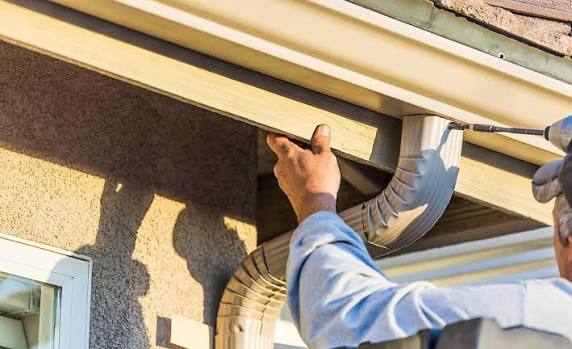
Cracks, Corrosion and Brittle Plastic
Different gutter materials develop different faults, so they should not all be judged in the same way.
Cracks in Gutter Lengths and Fittings
A crack can allow water to escape even when the gutter is clear. Its location and cause matter.
One damaged fitting may be replaceable. Cracks across several lengths need closer attention because they may indicate material deterioration or stress throughout the installation.
A temporary patch should not be presented as equivalent to replacing a failed component. Ask what the proposed repair is expected to achieve.
Corrosion in Metal Gutters
Surface rust and metal that has corroded through are different conditions.
Some metal gutters may be suitable for preparation and protective treatment when the underlying material remains sound. Perforations, weak edges and extensive material loss can make replacement more appropriate.
The assessment should consider the inside of the channel and the joints, not just the visible outer face.
Brittle Plastic Guttering
Older plastic can become fragile. If fittings crack during normal handling, replacing a small component may disturb other weakened parts.
When weighing up should i repair or replace gutters, ask whether the remaining plastic can accept new fittings safely and securely. The answer may support replacing a complete run rather than working repeatedly on individual joints.
Availability of Matching Parts
A repair depends partly on whether suitable components are available.
Gutters come in different shapes, sizes and connection systems. Two products that look similar may have different dimensions, seals or fixing details.
Common profiles include half round, square and ogee designs. Matching the general shape is only the starting point. Compatibility with the existing manufacturer and product range also needs checking.
Forcing an unsuitable connector into place can create a weak joint. Colour matching alone does not establish that two parts will work together.
Sometimes a suitable adaptor allows different systems to connect. In other cases, replacing a longer section up to a practical connection point makes more sense.
If parts are discontinued, partial gutter replacement may avoid repeated attempts to find rare fittings. Ask the installer to identify the existing profile and explain how any new section will connect.
Where an exact colour match is unavailable, discuss the appearance before work begins. A reliable repair may still leave a visible difference between old and new materials.
Problems With Gutter Size or Layout
Overflow does not always mean the gutter is broken.
Debris, blocked downpipes, poor alignment and inadequate capacity can all affect drainage. The cause should be established before spending money on replacement.
If overflow continues after the system has been cleared and checked, the gutter size and outlet arrangement may need reviewing. The roof area draining into each run also matters.
An extension or altered roof can change where rainwater flows. A gutter that previously worked well may now receive water from a larger area.
When asking should i repair or replace gutters, consider whether the proposal will correct the drainage problem. Installing new guttering with the same unsuitable layout may repeat the existing fault.
A proper assessment should consider the channel, outlets, downpipes and discharge route together. A larger gutter cannot resolve every problem further along the drainage system.
For general background on how these components work together, Wikipedia provides an overview of rain gutters.
Comparing Repair and Replacement Quotes
Comparing quotes means looking beyond the final figure. A small repair and a complete replacement cover different amounts of work, so the details must be clear.
A repair quote should identify the fault, the parts being changed and any related adjustments. If a joint will be replaced, does the price include checking the supports and alignment around it?
A replacement quote should specify which runs are included, the proposed material and profile, and whether brackets, outlets and downpipes will also be changed.
Access can affect both options. Work above a conservatory or extension may require equipment that would not be needed on an easily accessible elevation.
When deciding should i repair or replace gutters, check whether each quote includes access, removal of old materials, waste disposal and applicable VAT. Ask how unexpected problems with the fascia will be handled.
The cheapest quote may cover less work. Equally, a more expensive quote should explain what additional benefit you are paying for.
Repair, Partial Replacement and Full Replacement Compared
| Option | Usually suits | Main benefit | Main consideration |
| Gutter repair | Isolated faults with sound surrounding materials | Keeps useful guttering and limits the scope of work | Other worn components may need attention later |
| Partial gutter replacement | Damage limited to one length, run or elevation | Replaces the failed area while retaining serviceable sections | Connections and material compatibility need checking |
| Full gutter replacement | Widespread deterioration or a system needing broader redesign | Allows the whole arrangement to be assessed and renewed together | Higher initial cost and potentially greater access requirements |
Ask about workmanship cover and any product guarantee. Confirm what is included, what is excluded and whether routine cleaning remains your responsibility.
Partial Replacement Compared With Full Replacement
Partial replacement is often the option between repeated small repairs and replacing everything.
It may involve a short damaged length, a complete front run or the guttering around an extension. This can be sensible when other areas remain sound.
A successful partial replacement needs suitable stopping and connection points. The installer should consider corners, outlets, shared runs and the condition of the remaining materials.
The decision should i repair or replace gutters does not have to produce the same answer for every side of the house. One elevation may need new guttering while another only needs a joint repaired.
Full replacement becomes more attractive when defects affect most runs or several areas would soon require separate work. It may also allow an unsuitable layout to be corrected consistently.
However, replacing every component should not be automatic. Ask whether existing downpipes are sound and compatible with the proposed system.
On Liverpool terraces where guttering continues towards neighbouring properties, discuss shared connections before work starts. Changes should not interfere with how adjoining sections drain.
Questions to Ask During an Inspection
A useful inspection should leave you understanding the fault and the reasons behind the recommendation.
What Is Causing the Problem?
Ask whether the cause is a blockage, failed seal, damaged gutter body, loose support or drainage issue. “The gutter leaks” describes the symptom, but does not explain the solution.
Which Parts Are Still Sound?
This question helps establish whether local work is realistic. It also prevents the condition of one failed component from being treated as proof that everything needs replacing.
Can You Show Me the Damage?
Clear photographs can help you compare the recommendation with what is actually present. Ask for views of the affected area and nearby components.
Will the Repair Address the Cause?
If previous work has failed, explain that history. Ask how the new proposal deals with movement, standing water or unsuitable fittings.
How Will the Completed Work Be Checked?
Ask how joints, alignment and water flow will be checked after the work. A controlled water test can help reveal leaks, although it does not reproduce every rainfall condition.
What Maintenance Will Still Be Needed?
New gutters still need inspection and clearing. Ask which areas are likely to collect debris and how access will be managed.
If you remain unsure should i repair or replace gutters, request separate prices for the reasonable options, with an explanation of the limitations of each.
Repair and Replacement Options in Merseyside
Liverpool properties have different roof shapes, access arrangements and drainage needs. A terraced home with a shared gutter run needs a different assessment from a detached house with several separate outlets.
Extensions, porches and conservatories can also affect both water flow and access. Advice should reflect the actual property rather than a standard recommendation.
Merseyside Gutters provides repair and installation services across Merseyside, including Liverpool. Our gutter repair service covers local faults, while our gutter and downpipe installation service provides an option where new sections or a replacement system are needed.
When contacting us, explain where water escapes, whether the problem occurs during light or heavy rain, and what work has already been attempted. Photos taken safely from ground level can help describe the issue.
If your main question is should i repair or replace gutters, ask for a recommendation based on the current condition, suitable repair options and the scope of any proposed replacement.
Contact Merseyside Gutters for a free quote and discuss the next step for your Liverpool property.
Frequently Asked Questions
Do Old Gutters Always Need Replacing?
No. Old gutters can remain serviceable if the material is sound, the supports are secure and water drains properly. Age should be considered alongside condition, repair history and the availability of compatible parts. Fading alone is not a reason to replace the whole system.
Can I Replace Only One Side of the House?
Yes, replacing one side can be practical when damage is limited to that area. The remaining gutters should be checked, and any connections must be suitable. Shared runs, corners and downpipe positions can affect where the new installation should start and finish.
Is Repeated Repair Cheaper Than Replacement?
Not always. One effective repair may cost much less than replacement, but repeated visits can increase the total spend. Compare the likely scope of future work, access costs and the condition of the remaining components. Avoid assuming either option will last for a fixed period without an inspection.
Can New Gutter Sections Connect to Existing Gutters?
Sometimes. The size, profile and connection system must be compatible, or a suitable adaptor must be available. Similar appearance does not guarantee a secure connection. If matching parts cannot be sourced, replacing a complete run may be more practical than joining incompatible products.
Should I Repair or Replace Gutters That Overflow?
Start by checking for debris and blocked outlets or downpipes. Overflow can occur in otherwise sound guttering. If it continues after clearing, the alignment, capacity and drainage arrangement need assessment. Replacement is appropriate only where the findings support it.
Does a Leaking Joint Mean I Need New Gutters?
Usually, one leaking joint calls for a local assessment first. A worn seal, damaged fitting or movement may be responsible. If the adjoining gutter lengths remain sound, replacing the affected component and correcting the cause may solve the problem without wider replacement.
Do I Need New Downpipes When Replacing Gutters?
Not necessarily. Existing downpipes may be retained if they are sound, correctly sized and compatible with the new arrangement. They should still be checked for blockages, cracks and secure connections. The quote should state clearly whether they are being kept or replaced.
Will New Gutters Stop Damp Inside My Home?
They may help if defective guttering is contributing to the damp. However, roof defects, plumbing leaks and condensation can cause similar symptoms. Establish the source before expecting gutter work to solve it. Existing damp materials may also need time or further work to recover.
What Should I Do Before Arranging an Inspection?
Record where the problem occurs and take photographs from a safe position. Note any previous repairs and whether the leak happens in every shower or only during heavy rain. Avoid climbing up to inspect damaged fittings yourself. These details help the contractor assess the problem more effectively.